Why WisCorps Rebranded
Written by Paige Manges, Central Conservation’s Marketing & Communications Coordinator
It’s an especially fun time to be part of WisCorps.
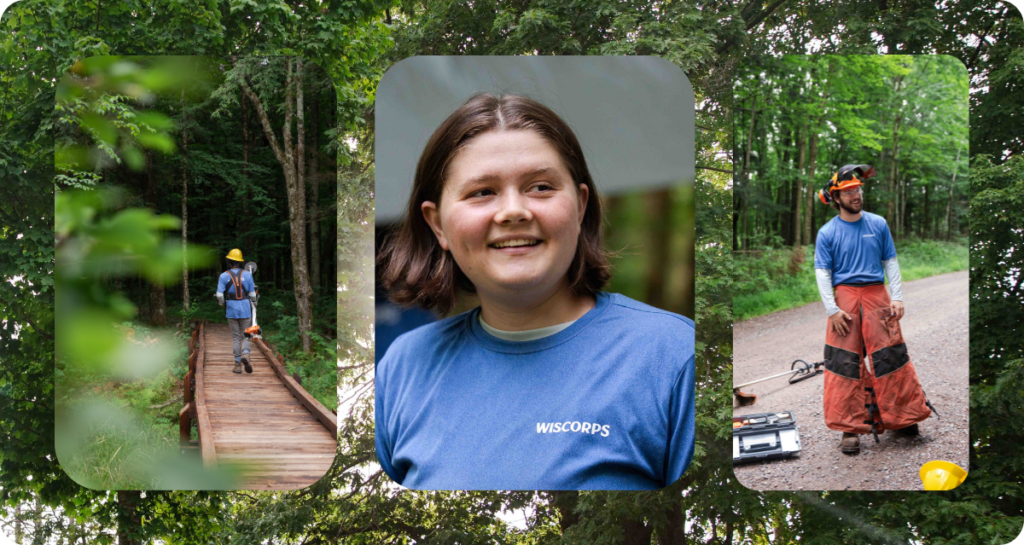
As we launched a brand new image, our goal with this rebrand is to better engage the next generation of environmental leaders through guided, hands-on service opportunities that benefit our region’s public lands.
WisCorps has dramatically evolved since its’ initial launch 15 years ago, which consisted of one crew of five members. By 2020, there was a need to evolve alongside its’ growing programs. This past year, WisCorps embarked on a rebranding journey hoping to better tell the amazing stories of its young people who were actively serving within the organization, as well as highlight the hard work being done to transform natural areas throughout the state.
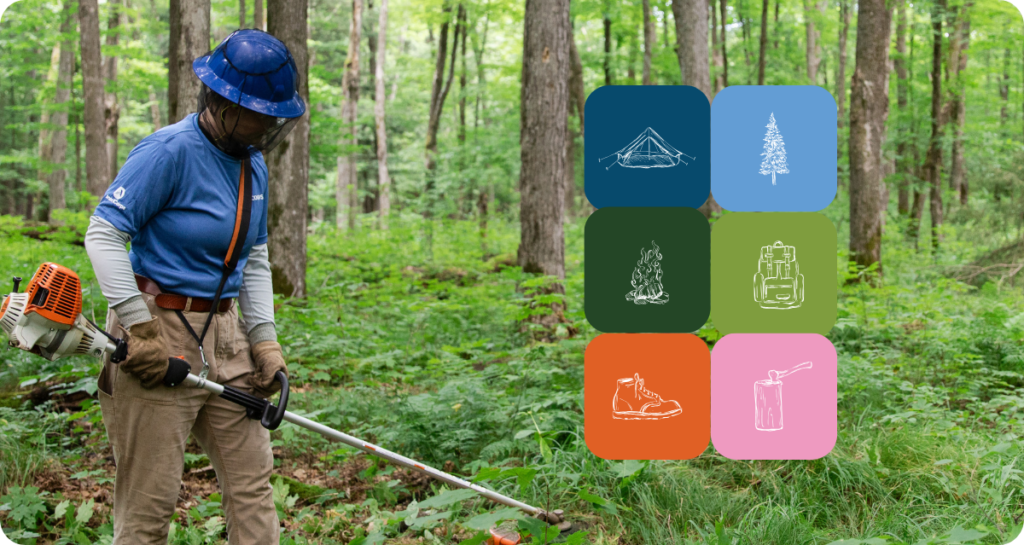
We underwent months of strategic research to better understand how WisCorps’ past impacted the organization and collectively determine new goals for where we want to be in the next five, ten, and twenty-five years. We gained insight from seasonal members, full-time staff, project partners, community members, and alumni. These fresh perspectives helped guide our transition towards our new visual identity, which we hope encapsulates the goals, ambitions, and visions of our members and project partners. We want to be known as an organization that empowers our people to share their eagerness to make the natural world a better place.
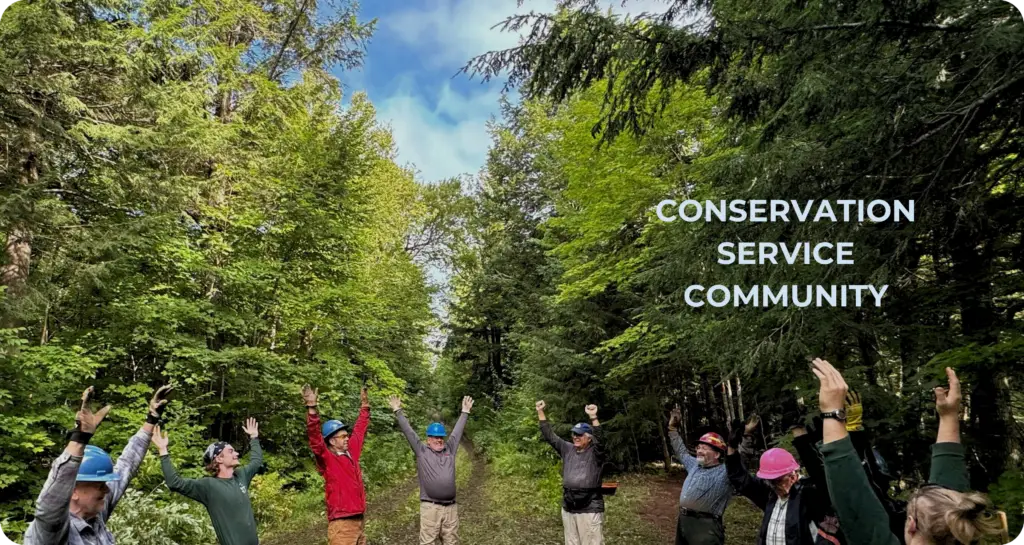
These perspectives inspired our internal team to fine-tune what an organization with this approach to conservation, service, and community looks like – and blend that inspiration into the look and voice of our organization to best attract, support, and amplify the next generation of environmental leaders.
Our Creative Partners
Irv Briscoe, and the team at BWdB was the perfect creative agency to lead the rebrand process. The team was perfect in matching our energy and enthusiasm for the outdoors and conservation work. BWdB stood out based on its’ history of amplifying the impact of nonprofit organizations by creating quality brand packages through sponsored rates. BWdB offered their expertise in strategic branding guidelines, social media strategy, website development, and creative consultation to completely revitalize the WisCorps brand and story-telling. As we launch our new image into the world, we are tremendously grateful for their partnership!
We hope you’ll find an invitation to join us in every aspect of our new brand. WisCorps works hard and heavily relies on collaborative partnerships with those who believe in and empower the same things we do.
It is our biggest wish that our programs continue to provide hands-on service opportunities that educate, empower, and encourage people to connect with the beauty of our natural world.
We are eager to provide space for the next generation of environmental leaders to leave a lasting legacy for our Earth. We’re only just getting started.
Relevant News and Blog Posts

Deepening Our Commitment to Leave No Trace
WisCorps expands its Leave No Trace training with two Level 2 Trainers, offering Level 1 certifications to AmeriCorps members starting in 2026. Additionally, WisCorps plans to expand LNT opportunities to the community by working with existing partners and forging new ones. In Spring 2025, they will be leading a workshop at the Ice Age Trail Alliance Annual Conference, introducing LNT concepts to beginner hikers exploring Wisconsin’s unique landscapes.

Senior Crew Leader
Crew Leaders guide and motivate Crew Members in high-priority conservation projects across Wisconsin and the Upper Midwest as part of the WisCorps Crew Program. Each crew typically consists of two Crew Leaders and three to four Crew Members who live and serve together, fostering a close-knit community focused on service and teamwork. Crews may relocate weekly or stay at a site for several weeks, living in tents or shared housing.

A Small Village with a Big Personality
WisCorps partnered with the Village of Mazomanie to take on a new challenge: restoring the Bluff Trail system. After an on-site assessment revealed steep, eroded sections and outdated routes, the team designed a custom, multi-week plan focused on trail reroutes, structural improvements, brushing, and sustainable techniques like c-steps—reimagining the trail for long-term use and accessibility.